
)
Permitted development in the UK allows homeowners to carry out certain home improvements, such as extensions, loft conversions and garage conversions, without needing full planning permission. However, strict rules apply, and building regulations approval is still required in most cases.
What Are Permitted Development Rights?
Permitted development rights allow homeowners to make changes such as extensions, conversions and alterations without going through the full planning process.
That said, rules vary depending on your property and location. If you live in a conservation area or Area of Outstanding Natural Beauty, stricter controls usually apply and planning permission is often required.
It’s always wise to check with your local authority or a professional before starting work.
Extensions: What’s Allowed?

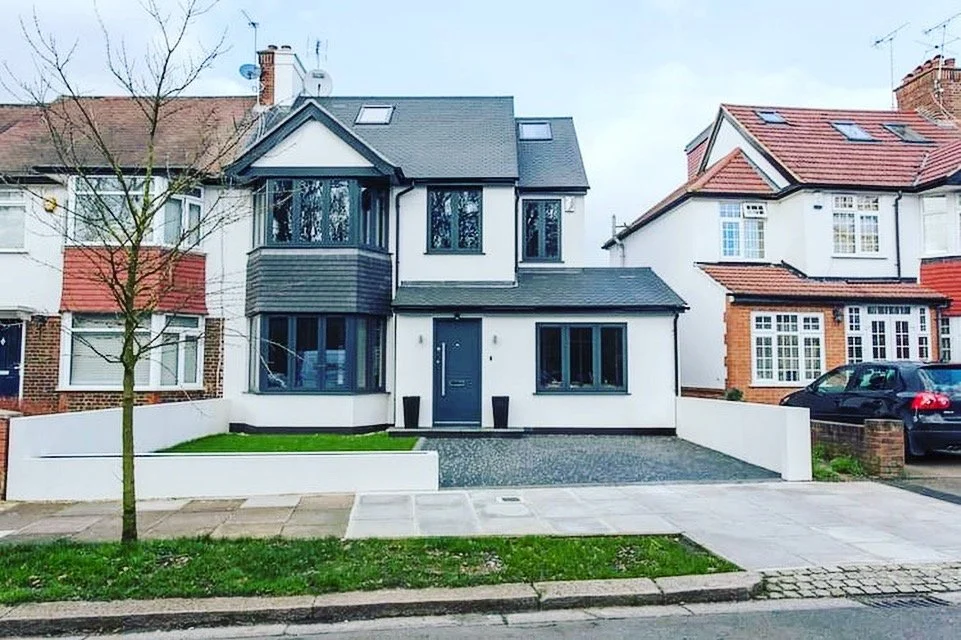
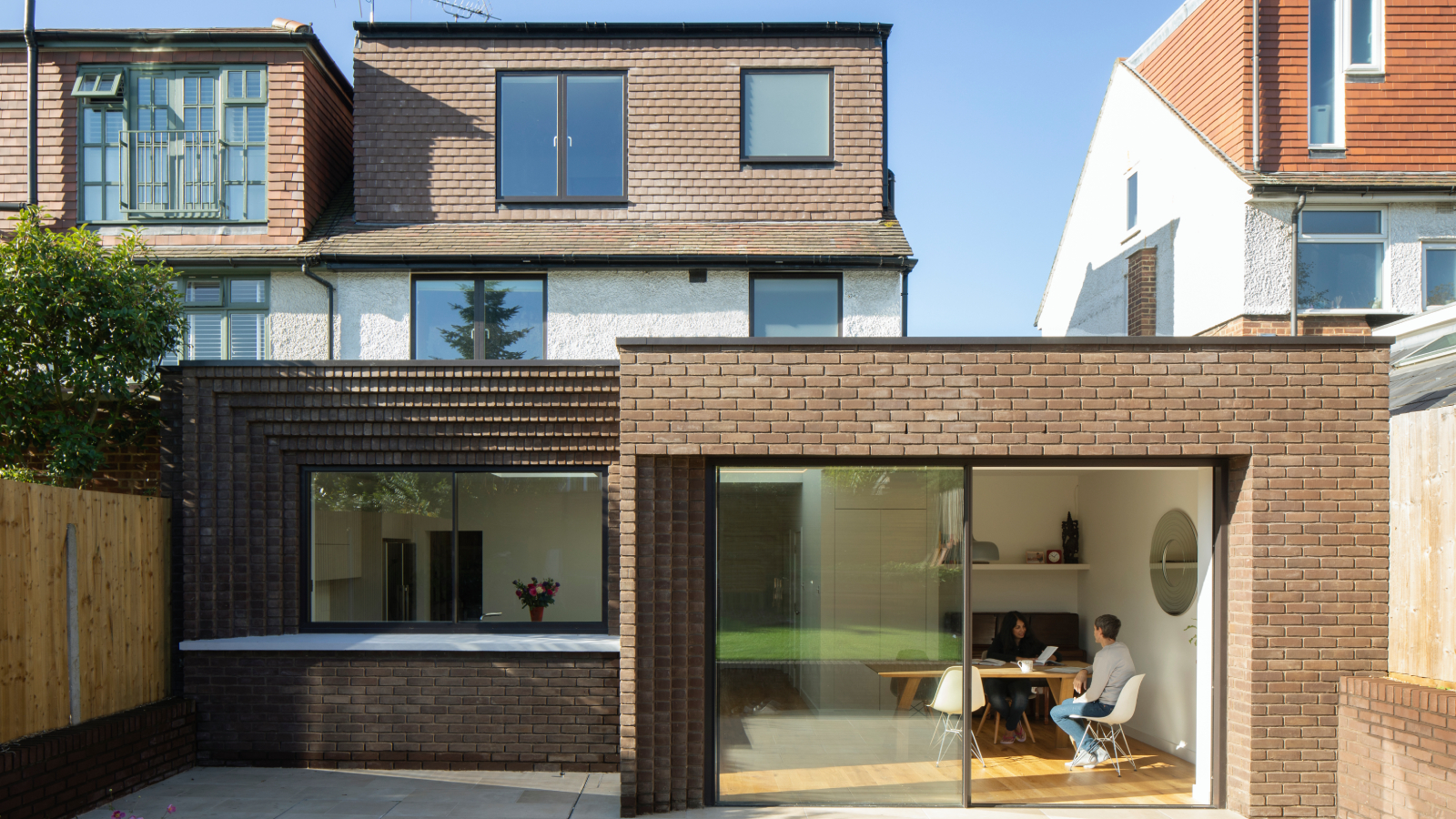
Many extensions fall under permitted development, but building regulations approval is still required.
Typical rules include:
- Up to 6m extension (terraced/semi-detached)
- Up to 8m extension (detached homes)
- Maximum height of 4m
- Cannot cover more than half the garden
Double-storey extensions are also possible, but must not extend beyond 3m or sit within 7m of the rear boundary.
💡 Even if permitted, applying for a Lawful Development Certificate is highly recommended.
Loft Conversions
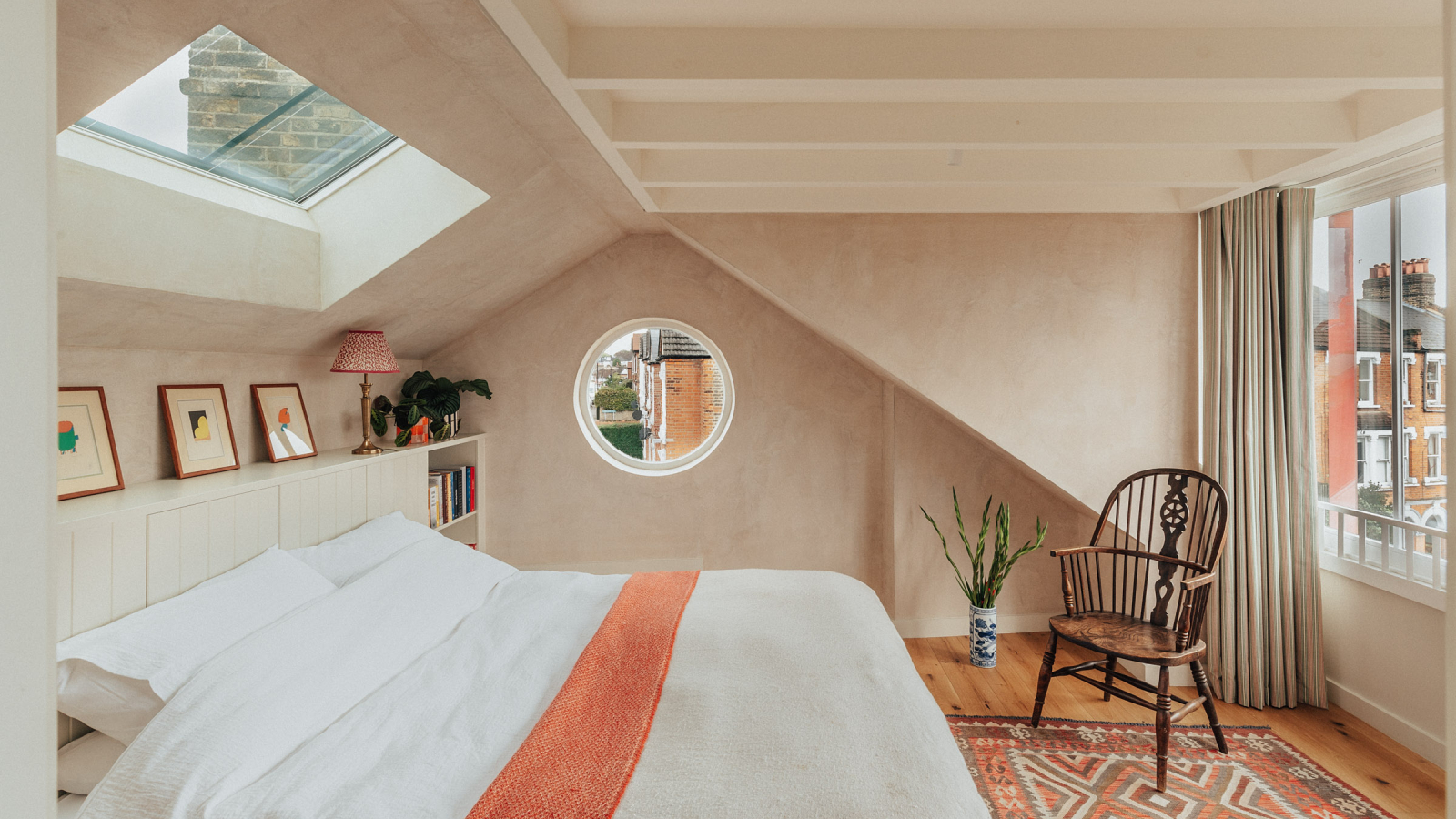
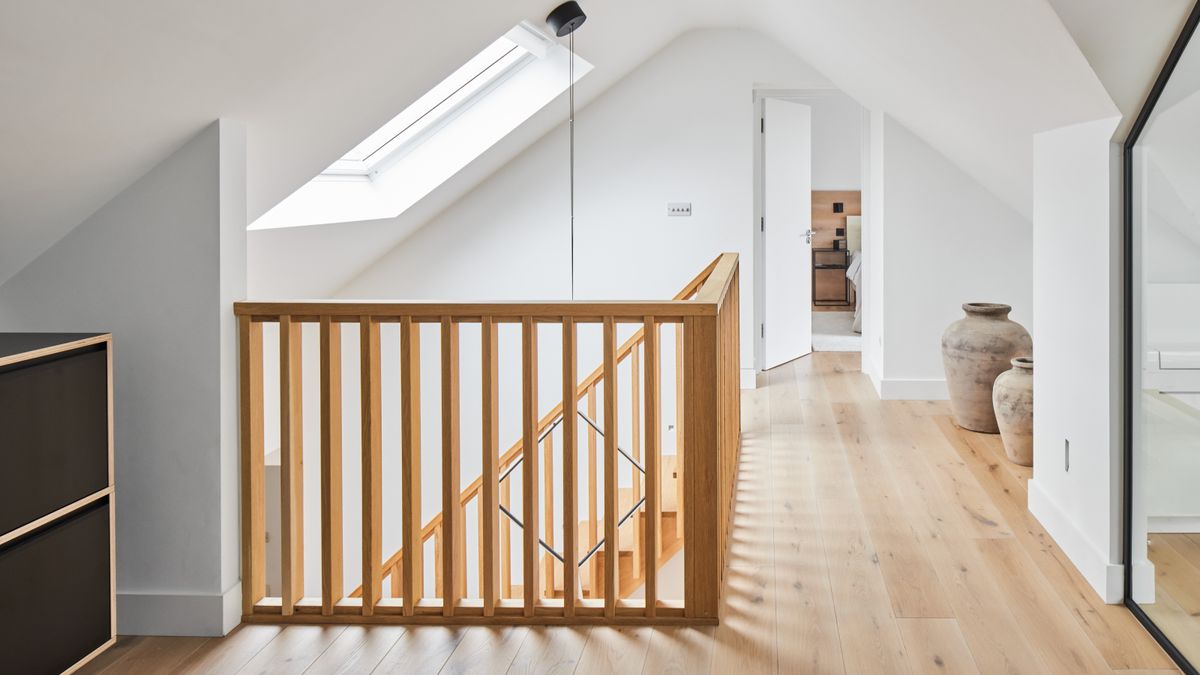
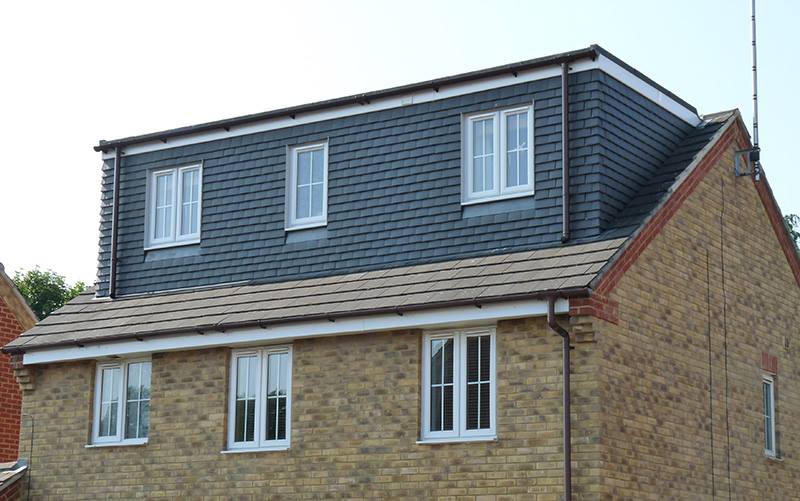
In many cases, you won’t need planning permission if:
- You don’t exceed the existing roof height
- Volume limits are within 40–50 cubic metres
- Materials match the existing property
Dormer windows are usually allowed, but side-facing windows must be obscure-glazed.
Garage Conversions
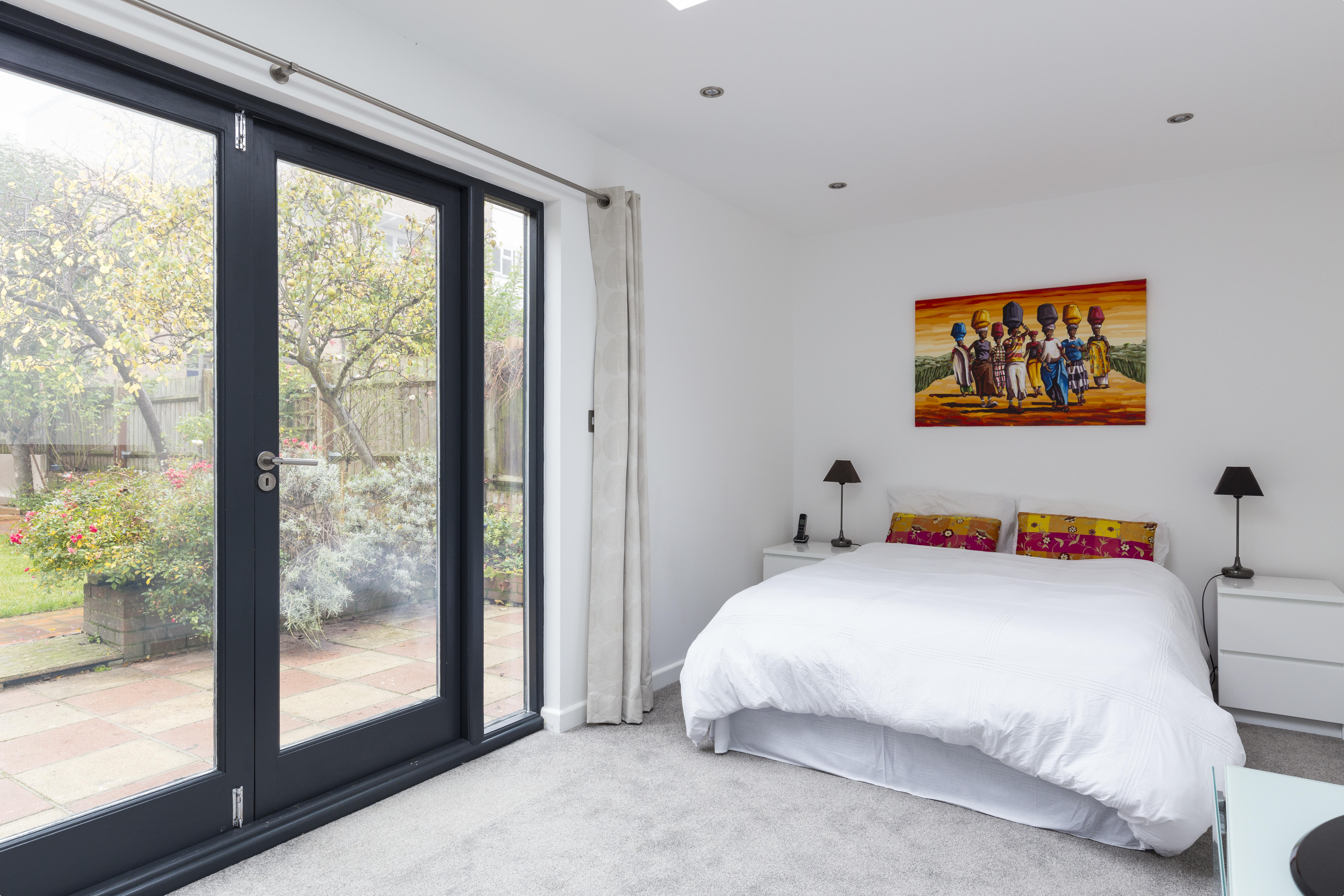
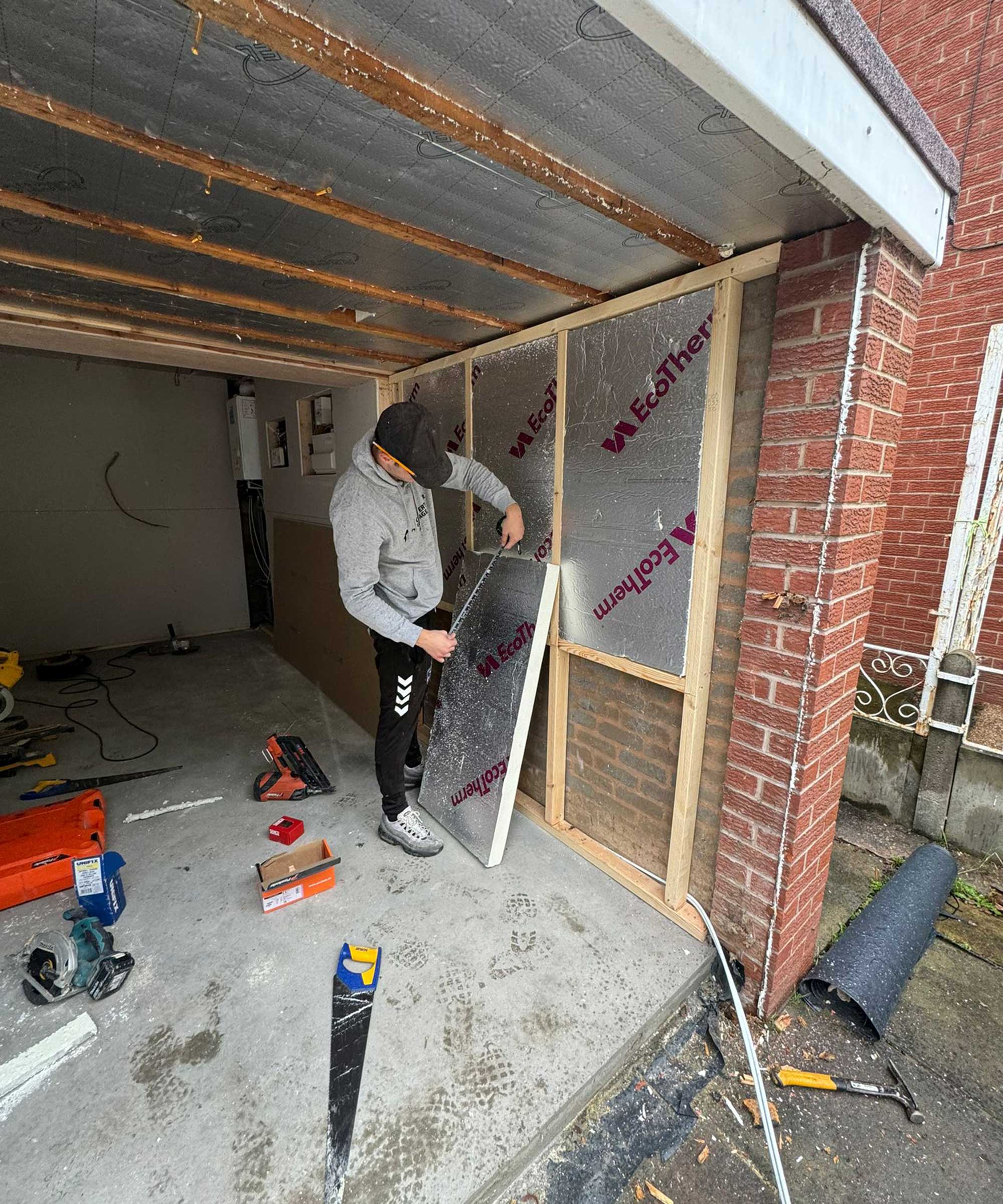
- Usually no planning permission required
- Building regulations approval is essential
- Detached garages converted into living space may require planning
Internal Alterations
Removing internal walls or reconfiguring layouts typically doesn’t need planning permission. However, building regulations approval is required, especially for structural work or electrics.
Windows, Doors and Rooflights
Replacing windows and doors is usually permitted, although restrictions may apply in conservation areas.
Rooflights are generally allowed as long as they:
- Don’t protrude more than 15cm
- Don’t overlook neighbouring properties
Conservatories and Garden Rooms
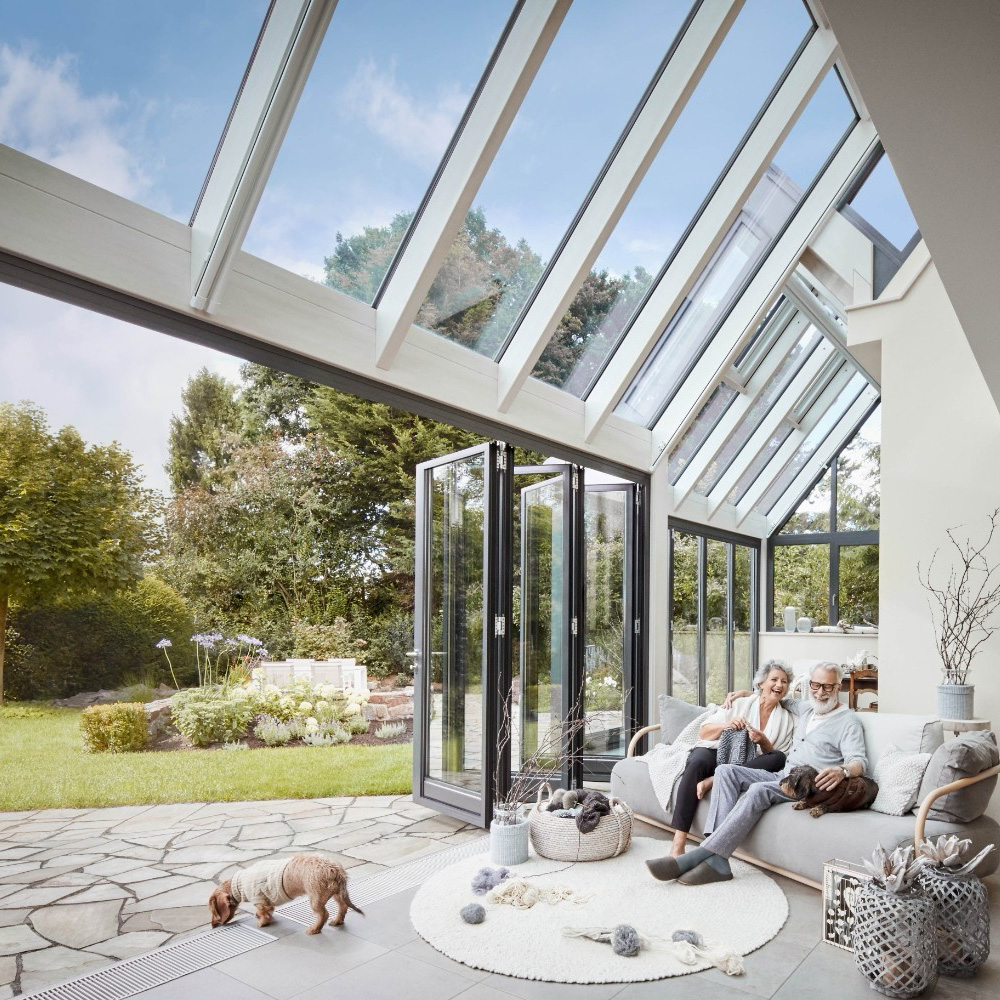
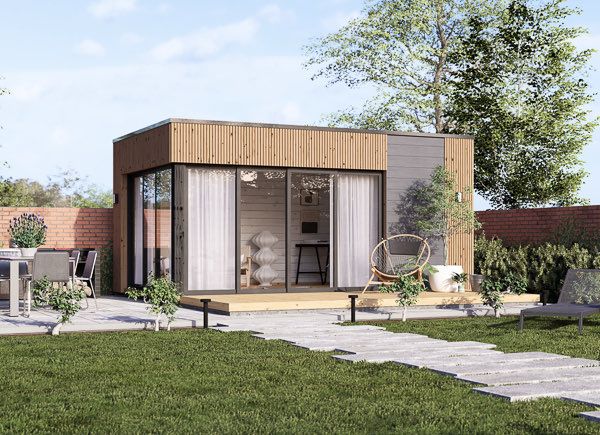

These are popular additions and often fall under permitted development.
Typical rules:
- Must not exceed 30m² (conservatories)
- Must not cover more than 50% of land around the house
- Height restrictions apply (especially near boundaries)
Garden rooms must be single-storey and cannot be built in front of the house.
Why a Survey Matters Before You Start
Before carrying out any improvements, it’s important to understand the condition of your property.
A survey can identify:
- Structural issues that could affect extensions
- Roof condition before loft conversions
- Damp or insulation problems
- Suitability for alterations
At Ashton Lee Surveyors, we help homeowners and buyers across Essex make informed decisions before investing in improvements.
Final Thoughts
Permitted development rights can make home improvements quicker and easier—but they still come with rules. Getting the right advice early can save time, money and stress.


